Wyatt Earp’s Main Career Was Gambling

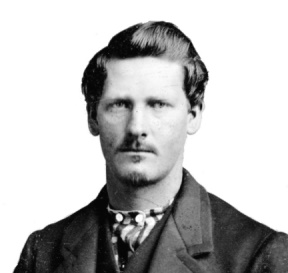
Iconic American figure, Wyatt Berry Stapp Earp (1848-1929), is heralded for his courageous exploits as a lawman, but he was a gambler first and foremost, often relying on the then-respectable profession to earn income throughout his lifetime. He’s earned a spot in U.S. gambling history. Earp’s Gambling Education and Practice At age 20, the tall,…

From a Craps Game to the ICU

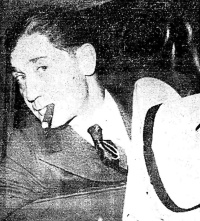
1934-1935 An argument between two underworld men devolved into violence during a dance endurance competition in Hollywood, California on April 14, 1934. Explosion of Rage At 7 a.m., the 21th consecutive hour of the walk-a-thon,* competing dancers sluggishly moved about the Winter Garden Auditorium floor. Mobster James “Socks” McDonough, among the spectators, sat at a…

It Took Just One

1936 A single penny got Los Angeles store owner Ethel Jamison convicted. One day at her shop, Police Officer James Mulligan placed a penny in the slot machine, pulled the lever, received a penny premium and cashed it with her. He arrested her, as slot machines were illegal in California, and the case went to…

An Offer That Was Refused

1953 Harrah’s Club in Reno, Nevada proposed, to event officials, the casino host an exhibit about gambling at the California State Fair. With a backdrop of silver dollars, the display was to contain gambling equipment and pamphlets on how to play various games, among other items. The idea went over about as well as the…

Illegal Bookmaking Enterprise Flourishes in the City of Souls

1949-1950 During the Prohibition years in California, 1919 to 1934, San Mateo County was a hotbed for illegal vices — gambling, prostitution and drinking. Even a Mobster, Hillsborough-based Sam Termini, said the county was the state’s most corrupt one in 1930. This was under the watch of James J. McGrath, the sheriff for 24 years…