
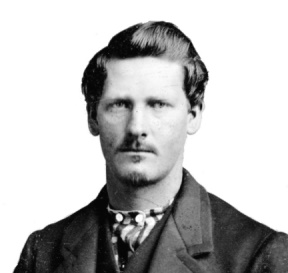
Wyatt Earp’s Main Career Was Gambling

Iconic American figure, Wyatt Berry Stapp Earp (1848-1929), is heralded for his courageous exploits as a lawman, but he was a gambler first and foremost, often relying on the then-respectable profession to earn income throughout his lifetime. He’s earned a spot in U.S. gambling history. Earp’s Gambling Education and Practice At age 20, the tall,…

Hate When That Happens

1934 A man named Hans Brucksmer played about $15 worth of nickels (about $300 today) in a slot machine at a place of business in Seattle, Washington and got only four coins back. He lifted the machine and took it to the local police station. There, holding the device under one arm, he filled out…

Congress’ Strategy For Slashing U.S. Gambling Activity Proves Problematic, Part I

1951 Gambling is the lifeblood of organized crime. This was U.S. Senator Estes Kefauver’s conclusion after the Special Committee on Organized Crime in Interstate Commerce, which he headed, concluded its investigation. The Kefauver Committee’s work, in part, involved conducting hearings in 14 U.S. cities, during which they grilled (sometimes, unsuccessfully) about 600 witnesses, including big-time…

Games of Chance: Panguingue Demystified

Though its popularity declined since its heyday, panguingue rightfully earned a place in United States gambling history. Great, but what the heck is it? Panguingue, or pan for short, is a rummy-type gambling card game. In fact, it descends directly from conquian, the patriarch of all rummy games. Pan calls for six, seven or eight…

Wacky Gambling News From the 1930s, 1940s

“Pigeon Jailed for Gambling” New York, May 29, 1941 Two New York Police Department plainclothesmen arrested a pigeon that then was forced to spend the night in the Bronx police station. Five other such birds, on the lam, were wanted. Two men also were apprehended. The capture went down on the roof of a tenement…

Quick Fact – Evidence? What Evidence?

1934 When police raided an illegal gambling den in Kingston, Washington, one of the players present, Raymond Johnson, swallowed the dice. In court after his arrest, the judge gave him 30 days to “digest” and produce the dotted cubes. Unfortunately, it’s unknown how everything turned out in this case. Photo from freeimages.com: by Katinka Kober