Dirty Dealings in Las Vegas

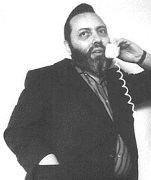
1949-1953 Only months after Cleveland bar owner, Norman Khoury’s 1949 acquisition of Club Savoy in Las Vegas, Nevada, California mobster/gambler Allen Smiley, an associate of the then-deceased Benjamin “Bugsy” Siegel, unexpectedly approached him. Smiley introduced Khoury to Bob “The Fixer” Smith, who’d been prominent in Vegas’ gambling industry in the 1930s. Subsequently, Smith allegedly purchased…
Livingstone Taunts Mob With Cowshed

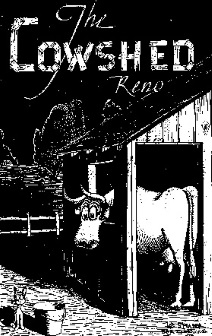
1931 Belle Livingstone wasn’t the typical Nevada gambling club owner. She’d acted on the stage and screen in the 1890s. She’d mingled with royalty and wealth in Europe and the United States. During Prohibition, she’d operated a speakeasy on New York’s Park Avenue. During that stint, she’d been arrested three times and spent 30 days…

Animals Run Roadside Zoos

1940s A spate of “roadside zoos” opened along various Nevada highways, typically in rural areas, during the late 1940s. The owners were hustlers who lured unsuspecting tourists onto their grounds with the promise of seeing exotic birds, reptiles and/or wild animals then swindled them out of money via games of chance. The ruse often involved…

Block 16: Sin City’s Early Days

1905-1941 Imagine in the early 1900s, a block about the length of a football field, in the Mojave Desert in Nevada where gambling, drinking and prostitution prevailed free from law enforcement’s intrusion, and where fights erupted often and killings were common. And because the days were so hot, it came alive at night when locals…

Quick Fact – Publisher Unsuitable

1967 New York publisher, Lyle Stuart, applied to the Nevada Gaming Commission for a gambling license to purchase 1 percent of the Aladdin Resort & Casino on the Las Vegas Strip for $25,000 ($178,000 today). Regulators, though, denied him one due to his “unsuitable background” because a subsidiary of his company sold books that contained…

Lawmen Run Amok in Rawhide

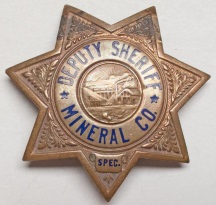
1908 Two deputy sheriffs in the mining camp of Rawhide, Nevada,* were on the take. For a regularly paid fee, they allowed establishments to operate legal games without a license and/or run banned ones as well. Sometimes they allowed gambling houses that paid heavy license fees on some games to conduct others without paying for a…

In the Name of Charity

1937 The Great American Football Pool (GAFP) of 1937 was to be of massive scale and the first of its kind in the U.S. The organizers aimed to sell 3 million tickets at $1 apiece and award sizable prizes: $100,000 to the first place winner, $50,000 to the second and $25,000 to the third in…

Bull’s Eye on the Gambling Industry

1955 It’s hard to believe this ever happened in Nevada. As an emergency measure, the state government approved a temporary moratorium on issuing gambling licenses. It was to last five months, until 30 days after the 1955 legislative session adjourned. The freeze applied only to applications submitted to the tax commission after the legislation went…

Yes To Open Gambling: No Big Deal

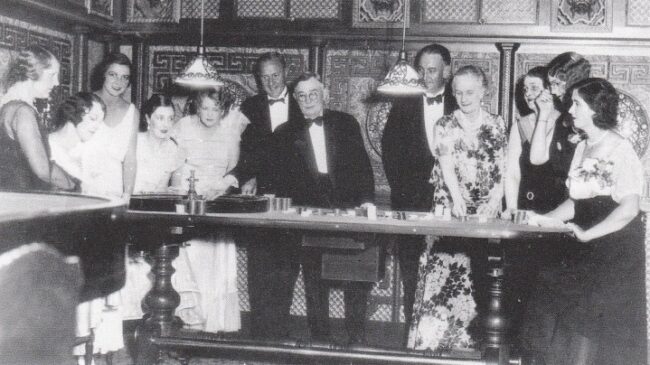
1931 Despite an influx of newsmen into town to report what gambling now looked like in Nevada’s biggest city immediately following legalization, a move they described as “reviving the days of the pioneer west,” the status quo endured (Nevada State Journal, March 21, 1931). “There was no wild rush to the gambling resorts and the…

Gambling License Fees: No Joke

1935 In 1934, John Petricciani regained use of his Reno, Nevada, property he’d owned for 10 years and first licensed his saloon, the Palace Bar, for roulette and 21 games, one apiece. Prior, he’d leased space in the building to various business owners, including local Mobsters, William “Bill” Graham and James “Jim” McKay, who’d operated…