Gambling Czar Abduction Mystery

1946 Two brothers — Edward P. and George Jones — freely controlled Chicago, Illinois’ policy* racket for 25 years, beginning in the 1920s. As a result, the two raked in money, $10 to $30 million per year, in nickels and dimes, primarily from the Caucasians and African Americans living in slums, which turned the siblings…
Nevada’s Black Book: Civil Rights Violation?

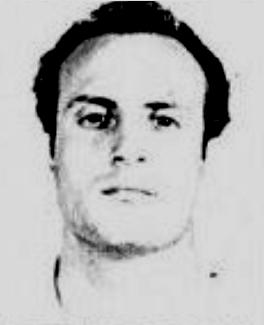
1960-1967 Los Angeles mobsters, Louis Tom Dragna and John “The Bat” Battaglia, conversed in a hotel-casino cocktail lounge on the Las Vegas Strip one day in February 1960. But their visit was cut short when Nevada Gaming Control Board (NGCB) agents appeared with local police who arrested the two. They charged them with vagrancy and…

Gambling Defeat Leads to Calamity

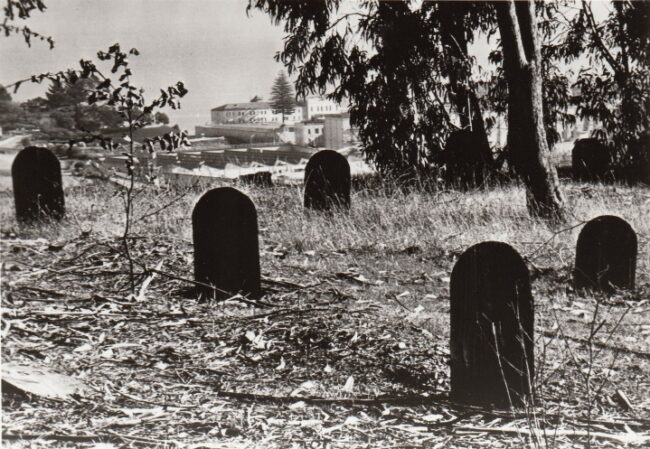
1915-1935 James “Jimmy” Sidney Rogan, an active student and football player, was well liked by the principal of his high school in Tonopah, Nevada, a mining boom town halfway between Las Vegas and Reno. In 1915, when the available ore in the town dubbed Queen of the Silver Camps was believed to be petering out…

Thwarting Mob Activities

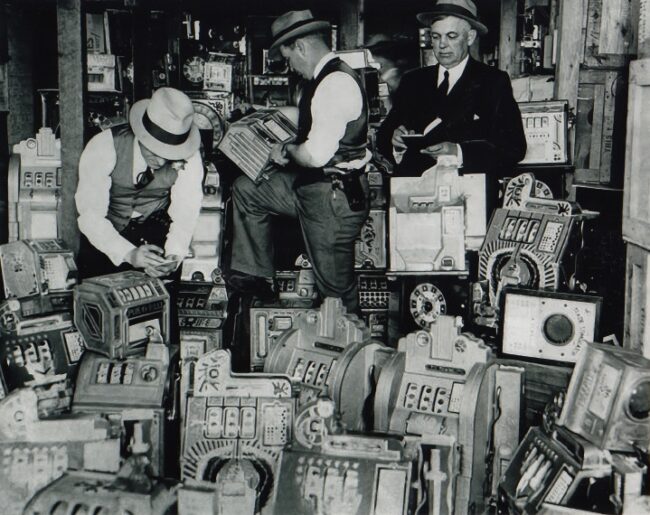
1950s The manufacture of slot machines, roulette wheels and other gambling equipment was big business in the United States until the mid-20th century when new federal legislation curbed it. In 1950, the Kefauver Committee, officially the U.S. Senate Special Committee to Investigate Organized Crime in Interstate Commerce, began delving into the underworld’s involvement with gambling. The…

Was The Mapes’ Financing Unethical?

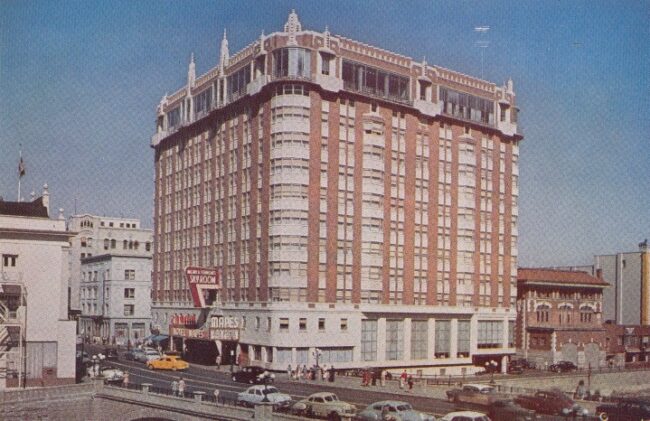
1947 The United States’ Reconstruction Finance Corporation (RFC) co-financed construction of a gambling enterprise via its $975,000 loan for the Mapes hotel-casino in Reno, Nevada in 1947.   Under Attack Three years later, Senators William Fulbright (D-Ark.) and Paul Douglas (D-Ill.), members of a committee investigating the RFC’s past lending practices, publicly criticized the group…